White House 10-Year Renewable Energy Plan 2026: A Deep Dive
Anúncios
White House Announces Ambitious 10-Year Plan for Renewable Energy Investment Starting 2026
The global energy landscape is undergoing a monumental transformation, driven by an urgent need to address climate change, enhance energy security, and foster sustainable economic growth. In a landmark announcement that signals a profound shift in national priorities, the White House has unveiled an ambitious 10-year plan for renewable energy investment, set to commence in 2026. This initiative is not merely a policy adjustment; it represents a comprehensive strategic pivot designed to fundamentally reshape the nation’s energy infrastructure, catalyze innovation, and position the United States as a global leader in green technology. The plan, which promises unprecedented federal backing for a wide array of sustainable energy projects, aims to accelerate the transition away from fossil fuels, significantly reduce carbon emissions, and create millions of new jobs across various sectors. The focus on renewable energy investment is a direct response to both domestic environmental concerns and the escalating geopolitical complexities surrounding traditional energy sources. This article will delve deep into the intricacies of this groundbreaking plan, exploring its core components, anticipated impacts, and the challenges and opportunities it presents for the American economy and its citizens. Understanding the scope and implications of this initiative is crucial for businesses, policymakers, and the public alike, as it will undoubtedly influence economic trajectories, technological advancements, and environmental outcomes for decades to come. The commitment to renewable energy investment underscores a long-term vision for a resilient, sustainable, and prosperous future.
Anúncios
The Genesis of the Plan: Why Now for Renewable Energy Investment?
The decision to launch such an extensive renewable energy investment plan in 2026 is rooted in a confluence of factors. Scientifically, the urgency of climate change has never been clearer, with increasing frequency and intensity of extreme weather events demanding immediate and decisive action. Economically, the cost of renewable energy technologies, particularly solar and wind, has plummeted over the past decade, making them increasingly competitive with, and often cheaper than, fossil fuels. This economic viability, coupled with technological advancements in energy storage and grid management, has created a fertile ground for large-scale renewable energy investment. Furthermore, global geopolitical instabilities have highlighted the vulnerabilities inherent in relying on volatile international energy markets. By investing heavily in domestic renewable sources, the United States aims to bolster its energy independence and national security, reducing its susceptibility to external shocks and price fluctuations. The plan also acknowledges the immense potential for job creation in the green sector, offering a pathway to economic revitalization and a just transition for communities historically dependent on fossil fuel industries. This strategic timing allows for the culmination of ongoing research and development, ensuring that the deployed technologies are at the forefront of efficiency and sustainability. The comprehensive nature of this renewable energy investment strategy reflects a holistic approach to energy policy that considers environmental, economic, and geopolitical imperatives.
Addressing Climate Change Through Strategic Investment
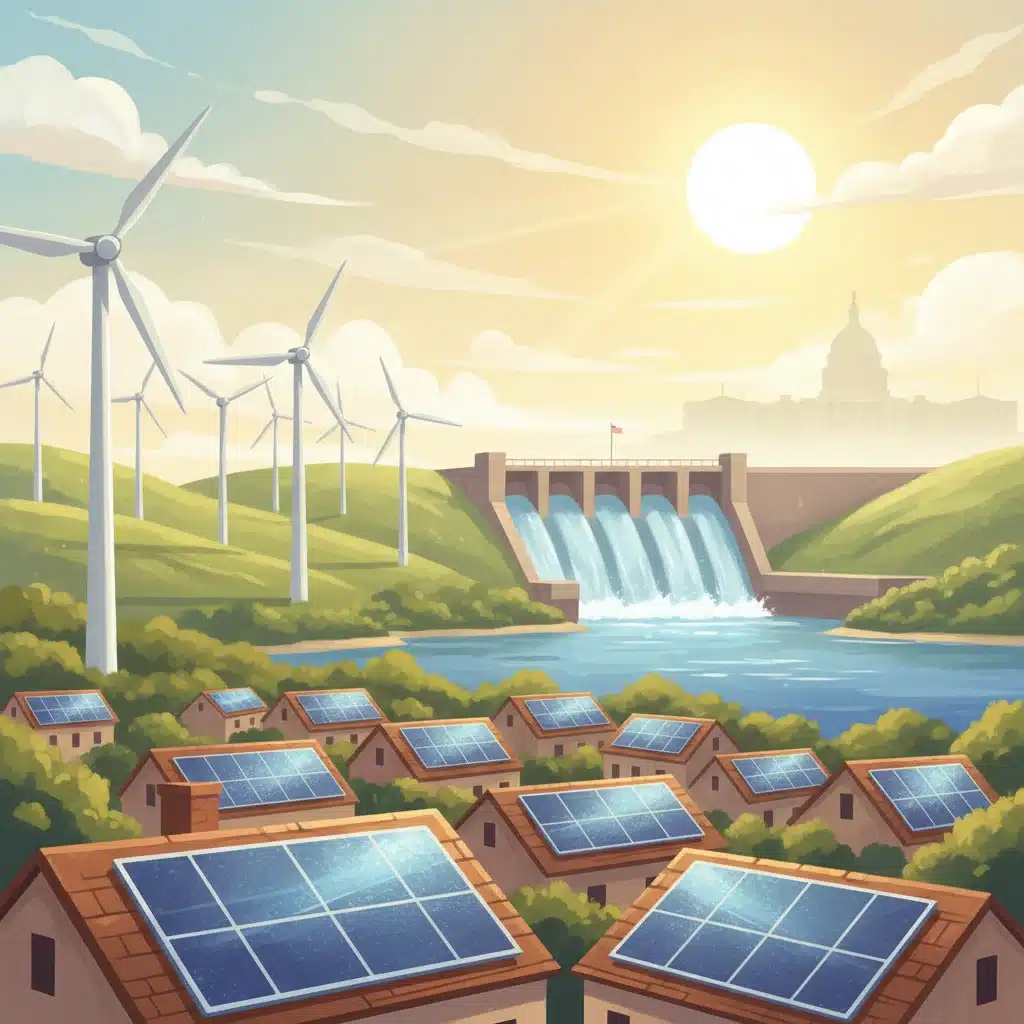
At its core, the White House’s 10-year plan is a powerful commitment to combating climate change. By significantly increasing renewable energy investment, the administration aims to drastically cut greenhouse gas emissions, bringing the nation closer to its international climate targets. This involves not only scaling up existing technologies but also fostering innovation in nascent areas like advanced geothermal, tidal power, and sustainable biofuels. The plan outlines specific targets for emission reductions, aligning with scientific recommendations to limit global warming. The long-term nature of the investment signals a sustained effort, moving beyond short-term political cycles to establish a durable framework for environmental stewardship. This consistent focus on renewable energy investment is critical for achieving meaningful and lasting environmental impact, providing stability and predictability for both industry and researchers. The initiative also emphasizes the importance of climate resilience, integrating strategies to adapt to unavoidable climate impacts while simultaneously mitigating future warming through aggressive decarbonization. The plan envisions a future where clean energy is not just an alternative, but the primary driver of the nation’s power grid, creating a healthier planet for future generations.
Anúncios
Key Pillars of the 10-Year Renewable Energy Investment Plan
The White House’s plan is built upon several foundational pillars, each designed to address different facets of the energy transition. These pillars collectively form a robust framework for accelerating renewable energy investment and deployment across the nation. Understanding these core components is essential to grasping the full scope of the initiative.
1. Unprecedented Federal Funding and Incentives
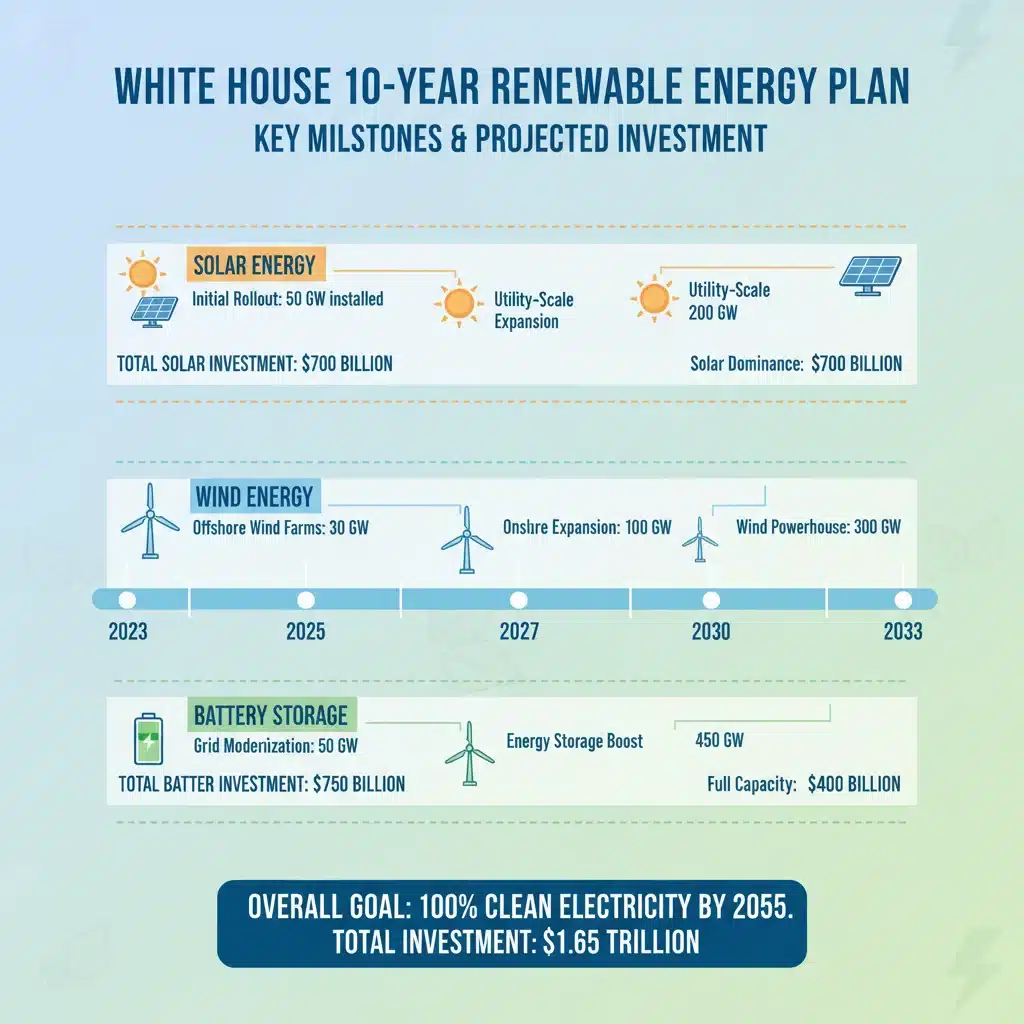
A cornerstone of the plan is the allocation of substantial federal funding and the introduction of new, enhanced incentives for renewable energy investment. This includes direct grants, tax credits, loan guarantees, and research and development funding. The aim is to de-risk investments for private companies, making clean energy projects more attractive and financially viable. These incentives are strategically designed to stimulate growth in key sectors such as solar, wind, geothermal, and hydropower, as well as emerging technologies like green hydrogen and advanced nuclear. The plan also includes provisions for upgrading existing grid infrastructure to accommodate a higher penetration of intermittent renewable sources, ensuring reliability and efficiency. This financial commitment is expected to unlock trillions in private sector renewable energy investment, creating a powerful multiplier effect across the economy. The long-term nature of these incentives provides certainty for businesses, encouraging sustained innovation and expansion. Moreover, specific funding streams are earmarked for community-based projects, ensuring that the benefits of the energy transition are equitably distributed and accessible to all Americans, including those in underserved areas. This comprehensive financial strategy is a critical driver for achieving the plan’s ambitious goals.
2. Infrastructure Modernization and Smart Grid Development
Transitioning to a predominantly renewable energy system requires a significant overhaul of the nation’s energy infrastructure. The plan allocates considerable resources to modernizing the electrical grid, transforming it into a smart, resilient, and interconnected network capable of handling diverse and distributed energy sources. This includes investments in advanced transmission lines, energy storage solutions (such as large-scale batteries and pumped hydro), and digital technologies for grid management. The goal is to minimize energy waste, enhance reliability, and enable the seamless integration of renewable power from various sources, often located far from demand centers. This infrastructure upgrade is crucial for maximizing the effectiveness of renewable energy investment, ensuring that generated power can be efficiently delivered to consumers. Furthermore, the plan emphasizes the development of microgrids and community-level energy systems, which can provide enhanced resilience against outages and natural disasters. These investments are not just about capacity; they are about creating a smarter, more adaptive energy system that can withstand future challenges and support a decarbonized economy. The modernization efforts also include cybersecurity enhancements to protect critical energy infrastructure from evolving threats, ensuring the stability and security of the future grid.
3. Workforce Development and Green Job Creation
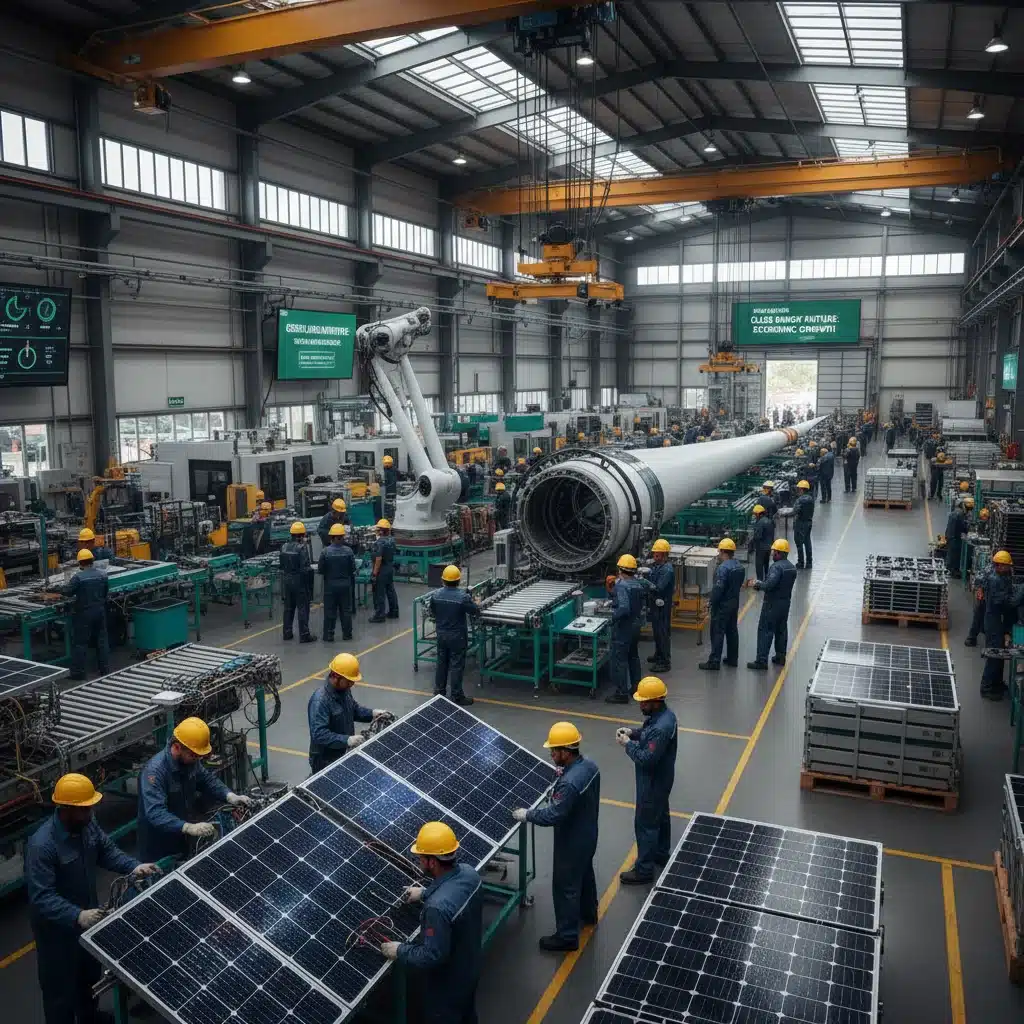
A key social and economic objective of the plan is to foster robust workforce development programs and create millions of high-paying green jobs. The shift towards renewable energy investment will necessitate a skilled workforce capable of designing, installing, manufacturing, and maintaining clean energy technologies. The White House plan includes significant investments in vocational training, apprenticeships, and educational programs to equip American workers with the skills needed for this evolving economy. This includes retraining programs for workers transitioning from fossil fuel industries, ensuring a just and equitable transition. The focus is not just on creating jobs but on creating good-paying jobs with opportunities for career advancement, contributing to a stronger middle class. This commitment to workforce development is integral to the long-term success and social acceptance of the renewable energy investment strategy. By investing in people, the plan aims to build a sustainable economic engine that supports communities across the country. These initiatives will also prioritize diversity and inclusion, ensuring that opportunities in the green economy are accessible to all demographics and regions, fostering a truly equitable transition.
4. Research, Development, and Innovation
Innovation is at the heart of the White House’s long-term vision. The plan commits substantial funding to accelerate research and development in cutting-edge renewable energy technologies and energy storage solutions. This includes exploring new materials, improving efficiency, reducing costs, and developing novel approaches to energy generation and distribution. The goal is to ensure that the United States remains at the forefront of clean energy innovation, driving global progress and maintaining a competitive edge. This sustained commitment to R&D will unlock future breakthroughs that can further enhance the viability and scalability of renewable energy investment. The plan also encourages public-private partnerships, leveraging the expertise and resources of both government agencies and private industry to accelerate the commercialization of new technologies. By fostering an ecosystem of innovation, the plan aims to create a continuous pipeline of advanced clean energy solutions that will benefit both the economy and the environment for generations to come. This forward-looking approach ensures that the nation is not just adopting current best practices, but actively shaping the future of energy.
Economic Impact and Opportunities of Renewable Energy Investment
The 10-year renewable energy investment plan is projected to have a profound and positive impact on the American economy. Beyond job creation, it is expected to stimulate economic growth, enhance competitiveness, and foster a new era of industrial development.
Boosting Domestic Manufacturing and Supply Chains
A significant component of the plan is the emphasis on strengthening domestic manufacturing capabilities for renewable energy components. By incentivizing the production of solar panels, wind turbine parts, batteries, and other critical technologies within the United States, the plan aims to reduce reliance on foreign supply chains, enhance national security, and create a resilient domestic industry. This focus on ‘Made in America’ clean energy products will generate manufacturing jobs, foster technological expertise, and ensure that the economic benefits of renewable energy investment remain within the country. The initiative seeks to rebuild and retool American factories, transforming them into hubs for green technology production. This strategic reshoring of manufacturing is vital for securing a competitive advantage in the global clean energy market and insulating the nation from geopolitical risks associated with international supply disruptions. Furthermore, by investing in local supply chains, the plan aims to create a more robust and sustainable industrial base, capable of responding rapidly to technological changes and market demands.
Energy Security and Price Stability
By diversifying the national energy portfolio with a heavy emphasis on domestic renewable sources, the White House plan will significantly enhance energy security. Reducing reliance on imported fossil fuels mitigates exposure to volatile global oil and gas prices and geopolitical conflicts. This shift towards indigenous renewable energy investment provides greater predictability in energy costs, benefiting consumers and businesses alike. The decentralized nature of many renewable energy systems also offers increased resilience against large-scale power outages, as local generation can continue even if parts of the larger grid are compromised. This enhanced energy independence is a critical national security objective, ensuring that the nation’s economic stability and operational capabilities are not held hostage by external factors. The long-term stability offered by fixed-cost renewable energy operations contrasts sharply with the fluctuating prices of fossil fuels, providing a more reliable foundation for economic planning and investment. The plan’s emphasis on grid modernization further supports energy security by creating a more robust and adaptive electrical system.
Global Leadership in Clean Energy
The ambitious scale of this renewable energy investment plan is designed to reassert American leadership in the global clean energy transition. By demonstrating a strong commitment to decarbonization and innovation, the United States aims to influence international climate policy, foster technological collaboration, and open new markets for American clean energy exports. This leadership role is not only about moral imperative but also about economic opportunity, as the global market for renewable energy technologies is projected to grow exponentially. By investing heavily now, the U.S. can position itself as a primary innovator and exporter of green technologies, creating new avenues for economic prosperity and international influence. This strategic positioning will also enable the U.S. to set global standards for sustainability and environmental protection, encouraging other nations to follow suit. The plan’s emphasis on research and development is key to maintaining this competitive edge, ensuring that American ingenuity continues to drive global progress in clean energy solutions.
Challenges and Considerations for the Renewable Energy Investment Plan
While the White House’s 10-year renewable energy investment plan offers immense promise, its implementation will not be without challenges. Addressing these proactively will be crucial for the plan’s ultimate success.
Permitting and Siting Issues
One of the most significant hurdles for large-scale renewable energy projects is the complex and often lengthy permitting and siting process. Developing new solar farms, wind power installations, and transmission lines requires navigating a maze of federal, state, and local regulations, often leading to delays and increased costs. The plan will need to streamline these processes while ensuring environmental protections and public engagement. Finding suitable land for renewable energy projects, especially in densely populated areas, can also be contentious, leading to local opposition. The administration must work to accelerate permitting without compromising environmental standards or community input, a delicate balance crucial for the efficient deployment of renewable energy investment. This involves engaging with local communities early and often, addressing concerns about visual impact, noise, and ecological disruption. Developing clear guidelines and providing resources for local governments to navigate these processes will be essential to prevent bottlenecks and ensure timely project completion.
Grid Intermittency and Storage Solutions
Renewable energy sources like solar and wind are by nature intermittent; they only generate power when the sun shines or the wind blows. Integrating a high proportion of these variable sources into the grid requires robust energy storage solutions and advanced grid management technologies. While the plan includes significant investments in these areas, scaling up storage capabilities to meet future demand remains a considerable challenge. The development of cost-effective, long-duration energy storage is critical for ensuring grid stability and reliability. The plan must continue to prioritize R&D in this area and incentivize the deployment of diverse storage technologies, from batteries to hydrogen to pumped hydro. Overcoming the intermittency challenge is paramount for the successful transition to a clean energy economy and for maximizing the impact of renewable energy investment. This also involves exploring demand-side management strategies and smart home technologies that can optimize energy consumption in response to renewable energy availability, further balancing the grid.
Supply Chain Resilience and Critical Minerals
The rapid expansion of renewable energy technologies increases demand for critical minerals such as lithium, cobalt, and rare earth elements, which are essential components in batteries, solar panels, and wind turbines. Many of these minerals are sourced from a limited number of countries, posing potential supply chain risks. The White House plan must address this by promoting domestic mining and processing where environmentally responsible, diversifying international supply sources, and investing in recycling technologies to recover valuable materials. Ensuring a secure and sustainable supply chain for these critical minerals is vital for the long-term viability of the renewable energy investment strategy. This includes fostering international partnerships to secure ethical and sustainable sourcing, and investing in research to find alternative materials that are less reliant on scarce resources. Building robust and diverse supply chains will help mitigate geopolitical risks and ensure the continuous growth of the clean energy sector.
The Future Landscape: A Decade of Transformation Through Renewable Energy Investment
The White House’s 10-year plan for renewable energy investment starting in 2026 is poised to usher in a decade of unprecedented transformation across the United States. This initiative is more than just an environmental policy; it is an economic strategy, a national security imperative, and a social commitment to a healthier, more prosperous future. By making significant strides in decarbonizing the energy sector, the U.S. will not only meet its climate goals but also unlock new avenues for innovation, job creation, and global leadership. The strategic deployment of resources and the fostering of public-private partnerships will be key to navigating the complexities and capitalizing on the opportunities presented by this ambitious undertaking. As the plan unfolds, its success will depend on sustained political will, continuous technological advancement, and broad public support. The long-term vision inherent in this renewable energy investment plan provides a clear roadmap for a sustainable future, demonstrating a powerful commitment to addressing the climate crisis while simultaneously building a robust and resilient economy. The ripple effects of this investment will be felt across every sector, from transportation to agriculture, fundamentally altering how Americans live, work, and interact with their environment. It marks a pivotal moment in the nation’s history, setting a course for a cleaner, more secure, and economically vibrant future.
A Call to Action for a Sustainable Tomorrow
The success of the White House’s 10-year renewable energy investment plan hinges on collective action. It requires collaboration between federal, state, and local governments, engagement from the private sector, and support from communities and individual citizens. Businesses must embrace innovation and adapt to new market demands, while consumers can contribute by adopting clean energy solutions in their homes and advocating for sustainable policies. Educational institutions play a vital role in preparing the next generation of green workforce, and researchers will continue to push the boundaries of what is possible in clean energy technology. This comprehensive approach ensures that the benefits of renewable energy investment are realized across all strata of society. The journey ahead will undoubtedly present its share of obstacles, but the vision of a clean, secure, and prosperous energy future for the United States is a powerful motivator. This plan is a testament to the nation’s capacity for innovation and its commitment to addressing the most pressing challenges of our time. It is a call to action for every American to participate in building a sustainable tomorrow, ensuring a legacy of environmental stewardship and economic vitality for generations to come. The transformative power of sustained renewable energy investment will redefine the nation’s energy destiny.
Author