
Understanding the landscape of unemployment benefits is crucial for anyone facing job insecurity or planning for future economic stability. As we approach 2026, significant changes are on the horizon for unemployment benefits, impacting eligibility, application procedures, and the overall support system. This comprehensive guide aims to demystify these 2026 unemployment benefits, providing you with the knowledge needed to navigate the system effectively. We will delve into the updated eligibility criteria, walk you through the application process, and highlight the key policy shifts that could affect you.
Navigating 2026 Unemployment Benefits: Eligibility, Application, and Key Changes
Anúncios
Introduction to the Evolving Landscape of 2026 Unemployment Benefits
The world of work is constantly evolving, and with it, the social safety nets designed to support individuals during periods of job loss. Governments and economic bodies regularly review and revise unemployment insurance programs to adapt to changing economic conditions, labor market demands, and societal needs. The year 2026 is poised to bring forth a new set of regulations and adjustments to unemployment benefits, making it imperative for both employers and potential beneficiaries to stay informed.
These anticipated changes are not merely administrative tweaks; they often reflect broader economic strategies aimed at fostering re-employment, ensuring fiscal responsibility, and providing adequate support to those genuinely in need. Whether you are an individual concerned about potential job displacement, an HR professional managing workforce transitions, or simply a citizen interested in social welfare policies, understanding the nuances of 2026 Unemployment Benefits is paramount. This article will serve as your go-to resource, breaking down complex information into digestible insights and actionable advice.
Understanding the Core Principles of Unemployment Insurance
Before diving into the specifics of 2026, it’s beneficial to briefly revisit the fundamental purpose of unemployment insurance (UI). UI programs are joint federal-state programs that provide temporary financial assistance to eligible workers who are unemployed through no fault of their own. The aim is to provide a temporary safety net, allowing individuals to meet basic needs while they actively search for new employment. This not only supports individuals but also helps stabilize local economies during downturns.
Anúncios
Funding for UI benefits primarily comes from taxes paid by employers. Each state manages its own UI program within federal guidelines, which means there can be significant variations in benefit amounts, duration, and eligibility requirements from one state to another. The upcoming changes in 2026 will likely introduce new federal recommendations or mandates that states will need to incorporate into their existing frameworks, potentially leading to a more harmonized, or conversely, a more complex, system.
Key Drivers Behind the 2026 Unemployment Benefits Revisions
Several factors typically influence revisions to unemployment benefit policies. For 2026, these drivers could include:
- Post-Pandemic Economic Recovery: The global economic shifts experienced in recent years have highlighted both strengths and weaknesses in existing unemployment systems. The 2026 revisions might be a direct response to lessons learned, aiming to create a more resilient and responsive system for future economic shocks.
- Automation and AI Impact: The increasing integration of automation and artificial intelligence in various industries is expected to displace certain job roles. New policies might address the needs of workers undergoing retraining or transitioning between sectors due to technological advancements.
- Gig Economy and Freelance Work: The rise of the gig economy has challenged traditional definitions of employment. Future unemployment benefits may seek to better accommodate or include these non-traditional workers, who often lack access to conventional UI.
- Demographic Shifts: An aging workforce and changing demographics can influence labor market dynamics and the sustainability of social security programs. Policy adjustments might reflect efforts to encourage older workers to remain in the workforce or to support their transition into new roles.
- Fiscal Sustainability: Governments are constantly balancing the need for social support with fiscal responsibility. The 2026 changes could include measures to ensure the long-term solvency of unemployment trust funds.
Eligibility Criteria for 2026 Unemployment Benefits: What’s Changing?
Eligibility for unemployment benefits has always been contingent on a few core requirements, but 2026 is expected to bring some notable adjustments. Typically, to be eligible, you must have:
- Lost your job through no fault of your own: This remains a fundamental principle. If you quit voluntarily without good cause, or were fired for misconduct, you are generally not eligible.
- Met state-specific wage requirements: States require you to have earned a certain amount of wages during a ‘base period’ (usually the first four of the last five completed calendar quarters before you filed your claim). The thresholds for these wage requirements may be adjusted in 2026 to reflect inflation or changes in average wages.
- Be able and available to work: You must be physically and mentally capable of working and actively seeking new employment. This often involves registering with state employment services and documenting your job search efforts.
Potential New or Modified Eligibility Factors for 2026:
- Expanded Definition of ‘Good Cause’ for Quitting: Some states might broaden the definition of what constitutes ‘good cause’ for voluntarily leaving a job, potentially including situations like unsafe working conditions, caregiving responsibilities, or significant changes in employment terms without prior agreement.
- Inclusion of Gig Workers/Independent Contractors: This is a significant area of potential reform. While traditionally excluded, some proposals suggest creating pathways for certain gig workers or independent contractors to qualify for a modified form of unemployment assistance, possibly through new state-level programs or federal guidance. This could involve new tax structures or contribution models.
- Adjusted Base Period Calculations: To better reflect contemporary work patterns, some states might revise how the base period is calculated, perhaps allowing for more recent earnings to be considered, which could benefit individuals with sporadic work histories.
- Stricter Job Search Requirements: Conversely, some states might implement more stringent job search requirements, potentially mandating a higher number of applications per week, participation in specific training programs, or more frequent reporting.
- Impact of Remote Work on Availability: With the increase in remote work, states might clarify how ‘availability for work’ is assessed for individuals seeking remote positions, potentially broadening geographical search requirements.
It is crucial to check your specific state’s unemployment agency website closer to 2026, as state interpretations of federal guidelines can vary. These changes to 2026 Unemployment Benefits eligibility are designed to make the system more equitable and responsive to modern employment realities, but they will require careful attention from applicants.
The Application Process for 2026 Unemployment Benefits: A Step-by-Step Guide
Applying for unemployment benefits can feel daunting, but understanding the process can alleviate much of the stress. While the core steps are likely to remain similar, 2026 may introduce enhancements to efficiency and accessibility. Here’s a general overview of what to expect:
Step 1: Gather Necessary Documentation
Before you even begin the application, ensure you have all pertinent documents readily available. This typically includes:
- Your Social Security number.
- Your driver’s license or state ID.
- Your mailing address and phone number.
- Names and addresses of all employers for the past 18-24 months.
- Dates of employment with each employer.
- Reasons for separation from each employer.
- Gross earnings from each employer.
- If you were an active military member, DD Form 214.
- If you were a federal employee, Standard Form 8 and Standard Form 50.
- Bank account and routing numbers for direct deposit (highly recommended).
For 2026, there might be additional requirements, especially if new categories of workers (e.g., gig workers) become eligible. They might need to provide detailed income statements or contracts.
Step 2: File Your Claim Online (Recommended)
Most states strongly encourage online applications due to their efficiency and speed. State unemployment agency websites are usually well-equipped with user-friendly portals. This is where you will input all the information gathered in Step 1. The online systems are often updated to reflect the latest policy changes, including those for 2026 Unemployment Benefits.
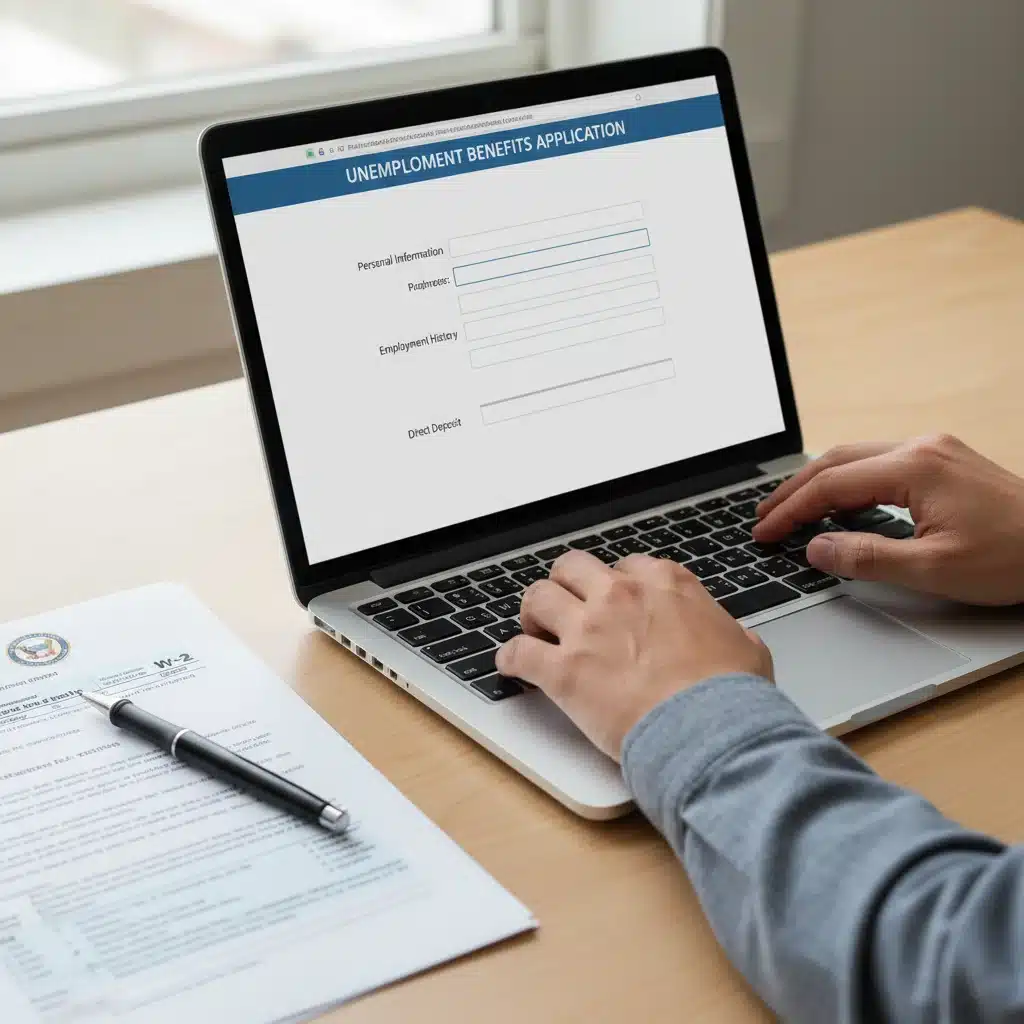
Potential 2026 Enhancements: Expect more intuitive interfaces, possibly AI-driven chatbots for immediate assistance, and enhanced security features for personal data protection. Some states might also integrate with other government services to streamline data verification.
Step 3: Initial Review and Determination
Once your application is submitted, the state agency will review it. They will verify your past employment and wages, and often contact your former employer(s) to confirm the reason for your separation. This fact-finding process is crucial in determining your eligibility. If there are discrepancies or additional information is needed, you may be contacted for an hint.
Step 4: Certify for Benefits Regularly
If you are deemed eligible, you will need to ‘certify’ for benefits, usually weekly or bi-weekly. During certification, you will confirm that you are still unemployed, able and available for work, and actively searching for a job. You will also report any earnings from part-time work or other income sources.
2026 Changes to Certification: As mentioned earlier, job search requirements might become stricter. States may also implement more sophisticated systems to track job search activities, potentially requiring proof of applications or interviews. There could also be increased emphasis on participation in re-employment services or training programs as part of the certification process.
Step 5: Receiving Your Benefits
Benefits are typically paid via direct deposit or a state-issued debit card. The amount and duration of benefits vary by state and depend on your past earnings. Most states provide benefits for up to 26 weeks, but this can be extended during periods of high unemployment.
Step 6: Appeals Process
If your claim is denied, you have the right to appeal the decision. The appeal process usually involves a hearing where you can present your case and evidence. Understanding the grounds for appeal and having strong documentation will be critical.
Key Policy Shifts and Their Implications for 2026 Unemployment Benefits
Beyond eligibility and application, the broader policy framework governing unemployment benefits is subject to change. These shifts can have profound implications for both claimants and the economy.
1. Federal Standardization vs. State Autonomy
There’s an ongoing debate about the balance between federal oversight and state autonomy in UI programs. For 2026, we might see new federal guidelines that aim to standardize certain aspects of unemployment benefits across states, such as minimum benefit levels or duration during national crises. This could lead to more uniform support nationwide but might also face resistance from states wishing to maintain their unique approaches.
2. Focus on Re-employment and Workforce Development
A significant trend expected to accelerate by 2026 is the increased emphasis on re-employment services. Unemployment benefits are increasingly viewed not just as a financial safety net, but as a bridge to new employment. This means:
- Mandatory Training Programs: Claimants might be required to participate in skill-building workshops, vocational training, or résumé writing courses as a condition for receiving benefits.
- Enhanced Job Matching Services: State employment agencies may leverage advanced analytics and AI to better match unemployed individuals with available job openings, potentially reducing the duration of unemployment.
- Career Counseling and Mentorship: Access to professional career counseling and mentorship programs could become a more integral part of the unemployment support system.
3. Addressing the Future of Work: Automation and Gig Economy
As discussed, the impact of automation and the gig economy is a major policy concern. 2026 Unemployment Benefits reforms might include:
- Portable Benefits Systems: Exploration of systems where benefits (including unemployment insurance, health insurance, etc.) are tied to the individual rather than a specific employer, especially for gig workers.
- Retraining for Displaced Workers: Specific programs and funding might be allocated to support workers whose jobs are displaced by automation, helping them transition into new, high-demand sectors.
4. Benefit Duration and Amount Adjustments
The standard duration of benefits (26 weeks in most states) and the weekly benefit amount are always under review. In 2026, these could be adjusted based on:
- Economic Indicators: A more dynamic system where benefit duration automatically extends during periods of high unemployment or recession, and contracts during periods of robust job growth.
- Cost of Living Adjustments: Some states might introduce mechanisms to regularly adjust weekly benefit amounts to keep pace with the rising cost of living, ensuring the benefits provide meaningful support.
5. Cybersecurity and Data Privacy
With more applications and interactions moving online, enhanced cybersecurity measures and robust data privacy protocols will be critical. The 2026 policies will likely include stricter regulations around how personal data is collected, stored, and used by unemployment agencies, especially with the integration of new technologies.
Preparing for 2026: Proactive Steps for Individuals and Employers
Being prepared is the best strategy for navigating any changes to unemployment benefits. Both individuals and employers have roles to play.
For Individuals:
- Stay Informed: Regularly check your state’s unemployment agency website and credible news sources for updates on 2026 Unemployment Benefits.
- Build an Emergency Fund: Financial experts always recommend having 3-6 months of living expenses saved. This fund can provide a buffer during any waiting periods for benefits or if benefits are lower than anticipated.
- Update Your Skills: Invest in continuous learning and skill development to remain competitive in the job market, especially in areas prone to automation.
- Maintain Thorough Records: Keep meticulous records of all employment history, wages, and job search activities. This will be invaluable if you need to apply for benefits.
- Understand Your Rights: Familiarize yourself with your state’s current unemployment laws and your rights as a claimant.
For Employers:
- Monitor State and Federal Regulations: Keep abreast of legislative changes that impact unemployment insurance taxes and employee classifications.
- Review HR Policies: Ensure your HR policies regarding terminations, layoffs, and employee documentation are compliant with current and upcoming UI laws.
- Contribute to Trust Funds: Understand your state’s unemployment tax rates and ensure timely contributions to maintain the solvency of the UI trust fund.
- Invest in Workforce Development: Consider offering retraining programs or outplacement services to employees facing displacement, which can also help reduce UI claims against your company.
- Accurate Reporting: Ensure all wage and employment data submitted to state agencies is accurate and timely to avoid disputes and penalties.
The Role of Technology in Administering 2026 Unemployment Benefits
Technology is set to play an even more significant role in the administration of 2026 Unemployment Benefits. The goal is to create systems that are more efficient, secure, and user-friendly. This could involve:
- Blockchain for Verification: Some experts suggest that blockchain technology could be used to securely verify employment history and wage data, reducing fraud and speeding up processing times.
- AI-Powered Assistance: Artificial intelligence and machine learning could enhance customer service through advanced chatbots, personalize job recommendations, and detect fraudulent claims more effectively.
- Improved Data Analytics: Better data analytics tools will allow states to identify trends in unemployment, forecast needs, and tailor programs to specific economic conditions or industries.
- Mobile-First Applications: Expect more robust and fully functional mobile applications for filing claims, certifying benefits, and accessing re-employment resources, making the process more accessible to a wider demographic.
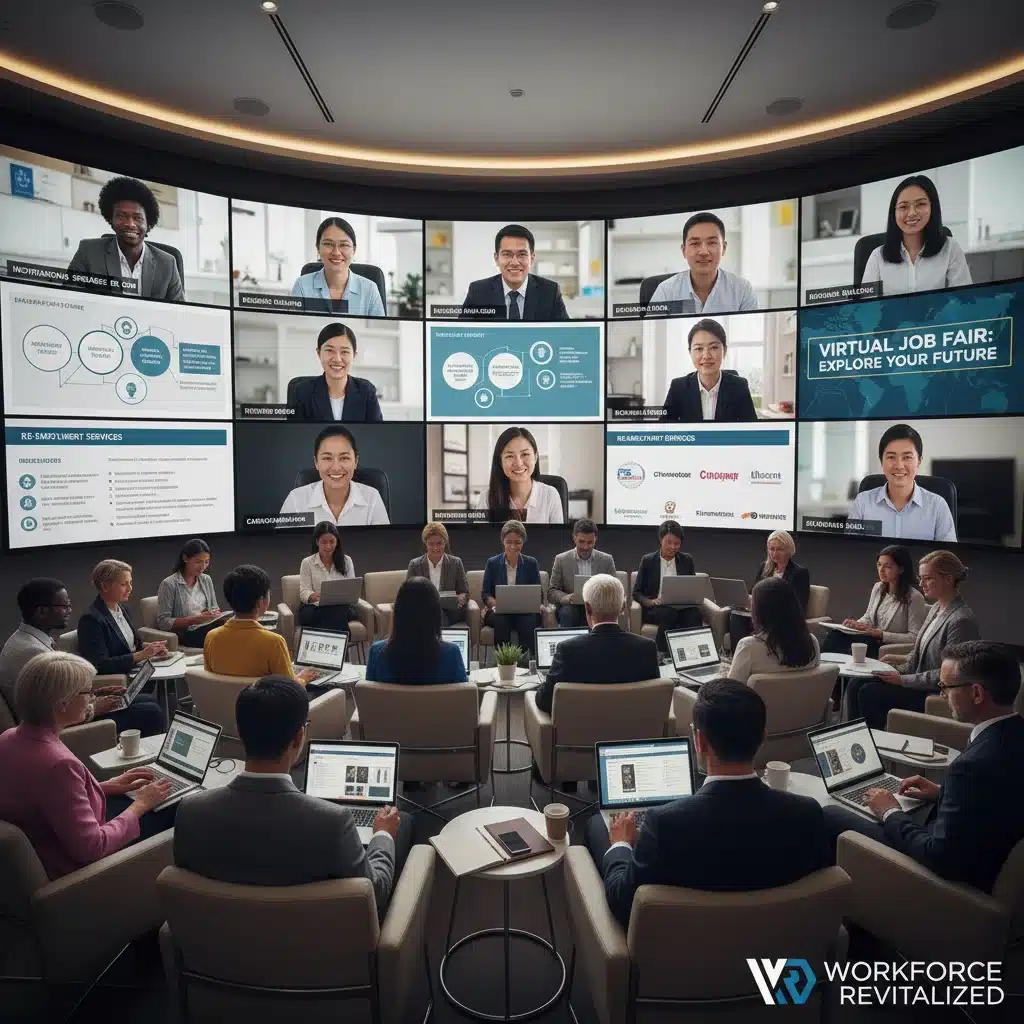
While technology offers immense potential, it also comes with challenges, including ensuring equitable access for all citizens, protecting data privacy, and preventing algorithmic bias in decision-making. These will be critical considerations as these systems are implemented for 2026 and beyond.
Conclusion: Adapting to the Future of Unemployment Support
The upcoming changes to 2026 Unemployment Benefits represent a dynamic evolution in how societies support individuals during periods of job transition. These revisions are a response to a rapidly changing global economy, the rise of new work models, and the continuous quest for more effective and equitable social safety nets. While the specifics will vary by state and continue to unfold, the overarching themes point towards a system that is more integrated with re-employment efforts, potentially more inclusive of diverse work arrangements, and increasingly reliant on technology for efficient administration.
For individuals, proactive engagement – staying informed, upskilling, and building financial resilience – will be key. For employers, adaptability and compliance with evolving regulations will be essential. By understanding these shifts and preparing accordingly, we can collectively ensure that unemployment benefits continue to serve their vital purpose: providing a temporary bridge during challenging times, enabling individuals to regain stable employment, and contributing to overall economic stability.
Remember, this article provides a general overview based on anticipated trends. Always consult official state unemployment agency websites and legal counsel for the most accurate and up-to-date information regarding your specific situation as 2026 approaches.